Public Health for Schools

Immunization Requirements for Children
The Utah County Health Department Immunization Clinic offers all routine vaccines for infants and children, including those required for kindergarten and 7th grade.
For more information about immunizations, please see the Centers for Disease Control and Prevention (CDC) guidelines:

Immunization Exemptions
How to Get an Exemption Certificate
Parents or guardians who want an exemption (personal, religious, or medical) from vaccines for a child in preschool through 12th grade must:
- Complete the free online immunization education module, and
- Submit the completion certificate to the school officer.
If you don’t have access to a computer, you can complete the online education module at the Utah County Health Department.
Medical Exemptions
To request a medical exemption, follow these steps:
- Complete the online immunization education module.
- Get a written statement signed by a licensed healthcare provider.
- The statement must explain the medical reason for the exemption.
- Submit both the certificate and the provider’s statement to the school officer.
This process is required by Utah law.
Who Needs an Updated Certificate?
An updated exemption certificate is required for:
- Pre-kindergarten students
- Kindergarten students
- 7th grade students

Fluoride Prescriptions
The Utah County Health Department offers free fluoride prescriptions for children ages 6 months to 15 years.
How it Works
- Take the prescription to a pharmacy of choice.
- The pharmacy may charge a fee to fill the prescription, but no extra charges are added by the Health Department.
For additional information, please call: 801-851-7024
Why Fluoride is Important
Children under age 16 who do not get enough fluoride from drinking water may need extra fluoride to help prevent tooth decay.
Fluoride levels in drinking water vary by city. Cities test their water regularly, and fluoride recommendations are based on those test results. View fluoride levels by city here:

Vision Guidelines for Schools
School Vision Screenings
It is important to identify students with vision problems early. A child’s vision can greatly impact their learning, social development, and well-being. Regular vision screenings help catch common eyesight issues early. A healthy child is a learning child.
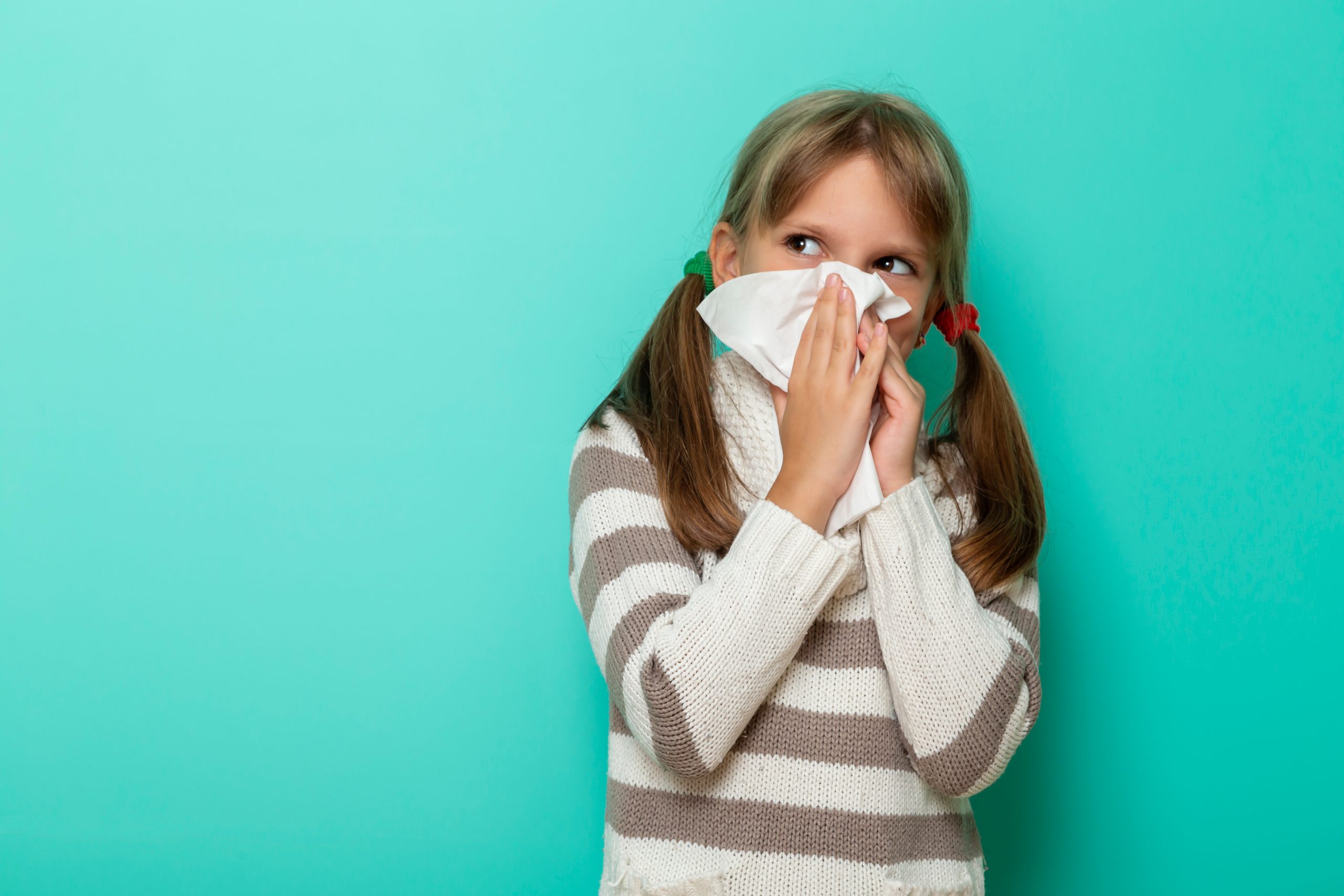
Common Contagious Diseases
- Chicken Pox
- Conjunctivitis (pink eye)
- Fifth Disease
- Flu
- Hand, Foot, and Mouth Disease
- Impetigo
- Measles
- Pertussis (Whooping Cough)
- Ring Worm
- Strep Throat

Head Lice
Head lice can be widespread and frequently found in communities and schools. While they can be annoying, they are not a medical emergency.

Guidelines for Illness in Schools and Daycares
Recommendations for when a child should stay home sick from school or daycare settings:
- Respiratory Illness
- Children with coughing, sneezing, chills, general body discomfort, fatigue, fever, and discharge from the nose and/or eyes should be kept home until the fever has been gone for 24 hours (without the use of fever-reducing medicine), symptoms are improving, and any yellow or green drainage has cleared.
- Persistent Cough
- A cough lasting longer than 3-4 days, especially if it causes vomiting, passing out, or produces colored mucus.
- Diarrheal Illness
- An increase in bowel movements compared to the child’s normal pattern, with watery or loose stools, which may be accompanied by nausea, vomiting, stomach cramps, headache, and/or fever, should be resolved for at least 24 hours before returning to school. If any stool softener (such as an enema or laxative) is given, please keep the student home for at least 24 hours. Students should avoid food handling or assisting with cafeteria work until they are symptom-free for 72 hours.
- Pinkeye or Conjunctivitis
- Symptoms of conjunctivitis include redness, discharge from the eye, matted eyelashes, and burning or itching eyes, and should be evaluated by a healthcare provider. The individual should have cleared symptoms or be treated with a topical antibiotic for at least 24 hours before returning to school.
- Open Wounds or Sores
- Wounds that are open or draining should be kept covered with a dressing.
- Vomiting Nausea
- Should be free of vomiting for 24 hours before returning to school. Students should not assist with food handling or cafeteria work for 72 hours after symptoms are resolved.
- Strep Throat or Other Bacterial Infection
- Should be treated with an antibiotic for at least 24 hours and be fever-free for at least 24 hours.
- Temperature Over 100.4
- Must be fever-free for 24 hours without the use of medicine that reduces fevers before returning to school.
- Skin Rash
- Any rash that may be caused by an infection should be checked by a healthcare professional or fully resolved before returning to school.